



DATE : 29/07/2025
AUTHOR :
Get Instant Call Back
Heart attacks are considered the most important emergency that requires accurate preparations as well as the ability to recognize the danger signs The majority of people relate heart attack only with the occurrence of an acute pain in the chest while there are many other symptoms that may go unnoticed Such indications if diagnosed early can allow a patient to call for medical assistance in advance which can improve the chances of surviving and lessen the extent of destruction to the heart
Recognizing the Signs of a Heart Attack
The symptoms of a heart attack can vary from one person to another, and sometimes they might not seem as severe as people expect Here are some common and lesser-known signs to watch for
1. Chest Pain or Discomfort
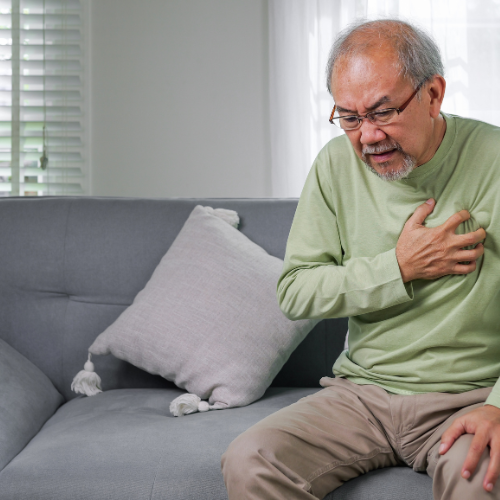
Like many heart attack symptoms, chest pain is sometimes not portrayed as a sharp pain. Many vote this pain to be more of a pressure or squeezing feeling on the chest than sharp; perhaps that something heavy is too much in their chest. Most of this pain begins in the region of the sternum or center of the anterior thoracic cavity and may radiate to the arms, neck, jaws, and even the mid back. It may occur for a few minutes or may be intermittent
2. Shortness of Breath
A common symptom of most heart attacks is the presence of chest pain or shortness of breath, however the latter can also be present without any chest pain. Sudden shortness of breath feels like it takes a lot out of you, even though you did nothing significant – this might mean that the heart is not well perfused. This phenomenon can present either before a heart attack or during it and it is a very serious red flag that requires an urgent intervention.
3. Pain in the Upper Body
Any pain or discomfort felt in areas apart from the chest, such as the arms, back, neck, jaw or stomach may be a sign of a heart attack. This sign, though more frequent in women, shouldn’t be overlooked by anyone experiencing any weird ache in these regions. Pain in these regions is often caused by the heart sending pain reflex to other areas in the body as it struggles to accommodate limited blood supply.
4. Nausea, Indigestion, or Heartburn
Some individuals complain of feeling nauseated or have difficulty in digesting food These symptoms although commonly encountered with stomach trouble, should not be misinterpreted with other signs such as pain in the chest or breathlessness because they could indicate an occurrence of either one or multiple heart attacks.
5. Cold Sweat
Sweating cold without any work or movement is pretty common and again a prerequisite of a heart attack. When people experience the stress of a heart attack, they might start sweating cold which shows the presence of the serious problem.
6. Fatigue
Extreme fatigue that is unexplained and suddenly appears when one is not used to it can be a warning for a heart attack. This may be felt as sudden weariness that makes one feel it hard to perform ordinary tasks. Sudden fatigue is also seen in some as a sign that occurs before a heart attack
7. Lightheadedness or Dizziness
If you are feeling faint, dizzy or have that feeling of being about to pass out with no particular reason for it, it can be a danger signal. Dizziness may occur if the blood supply to the brain is insufficient because of impaired heart function.
When to Seek Help
These and such symptoms when appear in combination, do not wait, go and seek help. A heart attack is an emergency and the sooner help is sought after, the better it will be. A few parameters are mentioned below:
1. Phone the Emergency Services
In case of a heart attack situation, in self or other, you should call emergency services at once. There is no need to drive yourself or someone to the hospital, as the condition may become severe while in motion. Ambulances have equipment and personnel trained to render assistance on their way to the hospital.
2. Move Fast – Every Second is Important
Time is of the essence in heart attack. If it is going to take longer for you to receive assistance, more heart muscle will be lost. There are ways to aid the heart attack victims and the sooner action is taken the better the response.
3. Remain Calm, Don’t Fight Worry Thoughts
This emotional state may be a factor that prevents certain people from submitting the help they search as the panic of whether or not it is a heart attack makes them hesitate. It is best to go for help and discover that it was a false alarm than to wait out serious symptoms. They have the expertise and would rather be called early than face the risks that result from being late.
Conclusion
Knowing the warning signs of a heart attack and understanding when to seek help are essential for everyone Early action can be lifesaving, as heart attacks present themselves in various forms some of which may be subtle At AIMS Hospital, our Cardiology Department is dedicated to providing expert compassionate care ready to respond quickly to cardiac emergencies and provide comprehensive heart health support If you or someone around you experiences any symptoms of a heart attack, don’t hesitate to seek immediate medical help – it could make all the difference.
ABOUT US
About AIMSDirector's Message
Vision & Mission
Accreditations
Awards & Accolades
Our Network
Phone Directory
Scan/Click For Location


Designed by Web Creations 2022. All rights reserved.
Leave a Comment