


DATE : 12/10/2026
AUTHOR :
Get Instant Call Back
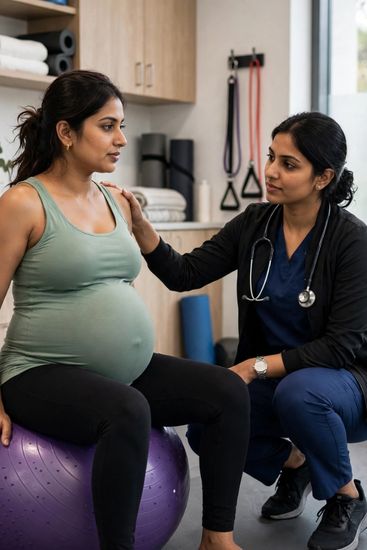
Pregnancy is an exciting journey, but the physical changes that occur during these nine months can sometimes lead to back pain, pelvic discomfort, muscle stiffness, swelling, fatigue, and changes in posture. Physiotherapy during pregnancy can help women stay active, manage common physical discomforts, improve strength and flexibility, and prepare the body for labour and recovery.
Pregnancy-safe exercises should always be selected according to the mother's health, stage of pregnancy, fitness level, and any pregnancy-related complications. A physiotherapist can work alongside the obstetrician to create an appropriate exercise programme.
At AIMS Hospital, Dombivli, pregnant women can consult experienced Gynaecologists & Obstetricians for guidance regarding safe physical activity and pregnancy care.
Table of Contents
- What Is Physiotherapy During Pregnancy?
- Benefits of Physiotherapy During Pregnancy
- Safe Exercises During the First Trimester
- Safe Exercises During the Second Trimester
- Safe Exercises During the Third Trimester
- Pelvic Floor Exercises During Pregnancy
- Exercises to Avoid During Pregnancy
- Safety Tips for Exercising During Pregnancy
- When Should You Stop Exercising?
- When Should You Consult a Doctor Before Exercising?
- Meet Our Gynaecologists & Obstetricians at AIMS Hospital
- Frequently Asked Questions
- Conclusion
What Is Physiotherapy During Pregnancy?
Physiotherapy during pregnancy focuses on maintaining physical function, strength, mobility, posture, and comfort as the body changes. A pregnancy physiotherapy programme may include gentle strengthening exercises, stretching, breathing exercises, posture education, pelvic floor exercises, mobility exercises, and techniques to manage musculoskeletal discomfort.
The exercises are not the same for every woman. A physiotherapist considers the trimester, physical condition, pregnancy history, symptoms, and medical advice before recommending an exercise programme.
Benefits of Physiotherapy During Pregnancy
Regular, pregnancy-appropriate physical activity may provide several benefits, including:
- Supporting healthy muscle strength and flexibility
- Helping manage pregnancy-related back and pelvic discomfort
- Improving posture and body awareness
- Supporting pelvic floor muscle function
- Maintaining mobility during pregnancy
- Improving general physical fitness
- Helping women prepare physically for labour
- Supporting recovery after childbirth
- Promoting relaxation and reducing physical tension
Before beginning a new exercise routine, pregnant women should discuss their activity level with their healthcare provider, particularly if they have a high-risk pregnancy or a medical complication.
Safe Exercises During the First Trimester
The first trimester can bring fatigue, nausea, breast tenderness, and other physical changes. Women who were already physically active before pregnancy may often continue with modified activities, depending on their doctor's advice.
1. Walking
Walking is a simple, low-impact activity that can help maintain mobility and cardiovascular fitness. Start with a comfortable pace and gradually increase the duration according to your energy level.
2. Gentle Stretching
Gentle stretching can help maintain flexibility and reduce muscle stiffness. Common areas that may benefit include the neck, shoulders, upper back, hips, and legs. Stretching should be comfortable and should never cause pain.
3. Pelvic Floor Exercises
Pelvic floor exercises, commonly known as Kegel exercises, can help strengthen the muscles supporting the bladder, bowel, and reproductive organs. A physiotherapist can teach the correct technique and breathing pattern.
4. Pregnancy-Safe Core Activation
Gentle exercises that improve deep abdominal and postural muscle awareness may be incorporated under professional guidance. The aim is not intense abdominal training but maintaining functional strength and stability.
Safe Exercises During the Second Trimester
As the abdomen grows, posture and balance may begin to change. Some exercises may need to be modified to accommodate the growing baby bump.
1. Walking
Continue comfortable walking if your doctor has not advised otherwise. Supportive footwear and adequate hydration are important.
2. Pelvic Tilts
Gentle pelvic movements may help women become more aware of their pelvic position and may help manage some pregnancy-related back discomfort.
3. Cat-Cow Mobility
A gentle hands-and-knees movement can help maintain spinal mobility and may feel comfortable for some women experiencing back stiffness. Move slowly and avoid excessive movement.
4. Supported Squats
Supported squats can help maintain lower-body strength and functional movement. A physiotherapist can demonstrate the correct posture and determine whether squats are appropriate for you.
5. Gentle Hip and Leg Exercises
Simple strengthening exercises for the hips and legs may help support the changing demands placed on the body during pregnancy. Exercises should be performed with controlled movements and appropriate support.
Safe Exercises During the Third Trimester
During the third trimester, the growing abdomen, increased body weight, and changes in balance can make some movements more challenging. The focus should generally be on comfort, mobility, breathing, posture, and functional strength.
1. Gentle Walking
Short, comfortable walks can help maintain daily activity when medically appropriate.
2. Pelvic Floor Exercises
Continue pelvic floor exercises with appropriate technique and relaxation between contractions.
3. Gentle Mobility Exercises
Hip, ankle, and spinal mobility exercises may help maintain comfortable movement.
4. Breathing Exercises
Controlled breathing exercises can promote relaxation and improve awareness of breathing patterns. A physiotherapist can teach comfortable breathing techniques that may also be useful during labour preparation.
5. Supported Lower-Body Exercises
Simple supported movements, such as sit-to-stand exercises, may help maintain functional strength. The intensity should be adjusted as pregnancy progresses.
Pelvic Floor Exercises During Pregnancy
The pelvic floor supports the bladder, bowel, and reproductive organs. Pregnancy and childbirth place additional demands on these muscles.
A physiotherapist can teach:
- Correct pelvic floor contraction
- Complete relaxation after contraction
- Breathing coordination
- Appropriate repetitions
- Pelvic floor awareness
- Preparation for childbirth and postpartum recovery
It is important not to continuously tighten the pelvic floor throughout the day. Both contraction and relaxation are important.
Exercises to Avoid During Pregnancy
The appropriate level of exercise varies from person to person. Depending on individual circumstances, healthcare professionals may advise avoiding activities that involve:
- High risk of falling
- Risk of abdominal trauma
- Contact or collision
- Sudden, uncontrolled movements
- Overheating
- Excessive physical strain
- Activities that cause pain, dizziness, or significant breathlessness
Women should also avoid starting strenuous or unfamiliar exercise programmes without professional guidance.
Safety Tips for Exercising During Pregnancy
Keep these points in mind when exercising during pregnancy:
Start Gradually
If you were not physically active before pregnancy, begin slowly rather than suddenly starting intense workouts.
Stay Hydrated
Drink sufficient fluids before, during, and after physical activity.
Listen to Your Body
Pregnancy is not the time to push through pain. Modify or stop an exercise if it feels uncomfortable.
Avoid Overheating
Exercise in a comfortable environment and avoid excessive heat.
Wear Comfortable Clothing
Choose comfortable clothing and supportive footwear suitable for the activity.
Focus on Technique
Correct posture and controlled movements are more important than performing a high number of repetitions.
Follow Medical Advice
Women with pregnancy complications may require specific activity restrictions or modifications.
When Should You Stop Exercising?
Stop exercising and contact your healthcare provider if you experience concerning symptoms such as:
- Vaginal bleeding
- Fluid leakage
- Regular painful contractions
- Chest pain
- Severe dizziness or fainting
- Significant shortness of breath
- Severe headache
- Sudden severe weakness
- Calf pain or swelling
- Any other unusual or concerning symptom
If you experience chest pain, fainting, severe breathing difficulty, or another potentially serious symptom, seek urgent medical attention. For other concerning symptoms, stop exercising and promptly contact your maternity care team.
When Should You Consult a Doctor Before Exercising?
It is particularly important to speak with your obstetrician before starting or changing an exercise programme if you have been diagnosed with a pregnancy complication, have been advised to restrict physical activity, or have symptoms that concern you.
Your obstetrician can determine whether exercise is appropriate and whether you need any specific precautions. A physiotherapist can then tailor exercises to your physical needs.
Meet Our Gynaecologists & Obstetricians at AIMS Hospital
Pregnancy exercise programmes should be planned with appropriate medical guidance. At AIMS Hospital, Dombivli, women can consult experienced Gynaecologists & Obstetricians for pregnancy-related care and guidance.
Dr. Shruti Kotangale
Gynaecologist & Obstetrician
Dr. Mona Rana Yadav
Gynaecologist & Obstetrician
Dr. Chetana Karambelkar
Gynaecologist & Obstetrician
Your doctor can assess your pregnancy and advise whether particular exercises or physiotherapy approaches are appropriate for you.
Frequently Asked Questions
1. Is physiotherapy safe during pregnancy?
Physiotherapy can be safe and beneficial during pregnancy when exercises are appropriately selected and performed under qualified professional guidance. The programme should be adapted to the woman's pregnancy stage and medical condition.
2. Which exercises are generally safe during pregnancy?
Walking, gentle stretching, pelvic floor exercises, pregnancy-appropriate mobility exercises, breathing exercises, and selected strengthening exercises are commonly used when medically appropriate.
3. Can physiotherapy help with back pain during pregnancy?
Yes. Pregnancy physiotherapy may help manage musculoskeletal discomfort through appropriate exercises, posture education, movement strategies, and strengthening. Persistent or severe pain should be assessed by a healthcare professional.
4. Can I exercise during all three trimesters?
Many women can remain physically active throughout pregnancy, but the type and intensity of exercise may need to change as pregnancy progresses. Your obstetrician or physiotherapist can recommend appropriate modifications.
5. When should I stop exercising during pregnancy?
Stop exercising and contact your healthcare provider if you develop symptoms such as vaginal bleeding, fluid leakage, painful regular contractions, severe dizziness, chest pain, significant breathing difficulty, or other concerning symptoms.
Conclusion
Physiotherapy during pregnancy can help support strength, flexibility, posture, mobility, pelvic floor function, and overall physical comfort throughout the different stages of pregnancy. With trimester-specific exercises and proper professional guidance, women can stay active while adapting safely to the physical changes of pregnancy.
However, every pregnancy is different, so exercises should always be selected according to the mother's health and pregnancy condition. Before starting or modifying an exercise routine, consult your Gynaecologist & Obstetrician and a qualified physiotherapist.
For expert pregnancy care, medical guidance, and personalised support, consult the experienced Gynaecology & Obstetrics team at AIMS Hospital, Dombivli, which is committed to providing comprehensive care for women throughout pregnancy, childbirth, and beyond.
ABOUT US
About AIMSDirector's Message
Vision & Mission
Accreditations
Awards & Accolades
Our Network
Phone Directory
Scan/Click For Location



Designed by Web Creations 2022. All rights reserved.
Leave a Comment