



DATE : 19/11/2025
AUTHOR :
Get Instant Call Back
Insulin, one of the most important hormones in the human body, is necessary for regulating blood sugar levels, giving our cells energy, and maintaining overall metabolic health. If insulin is not working correctly, the body may experience several serious health problems, including diabetes and other metabolic disorders.
Table of Content
- Insulin
- Types of Insulin
- Causes of Insulin Imbalance
- Symptoms of Insulin Problem
- Insulin and Diabetes
- Management and Treatments
- FAQ
- Conclusion
Insulin
The main job of the hormone insulin, which is made by the beta cells in the pancreas, is to regulate blood sugar levels. Insulin allows cells to absorb glucose from food, which the body uses as its primary energy source. The cells can then either use the glucose immediately for energy or store it in the muscles and liver for later use. Without insulin, glucose remains in the system, raising blood sugar levels and causing associated health problems.
Types of Insulin
Insulin is categorized based on how quickly it works and how long it lasts:
- Rapid-acting insulin: Starts working within 15 minutes and lasts 3–5 hours
- Short-acting insulin: Starts working within 30–60 minutes and lasts 5–8 hours
- Intermediate-acting insulin: Starts in 1–2 hours and lasts 12–18 hours
- Long-acting insulin: Works slowly over 24 hours or more
Causes of Insulin Imbalance
Insulin production and function can be affected by several circumstances:
- Type 1 Diabetes: The pancreatic cells that create insulin are targeted by the immune system
- Type 2 Diabetes: When the body becomes resistant to insulin, the pancreas cannot produce enough of it to compensate
- Lifestyle Factors: Sedentary lifestyles, obesity, and poor diet can reduce insulin sensitivity
- Hormonal Disorders: Conditions like Cushing syndrome or thyroid problems can affect insulin levels
Symptoms of Insulin Problem
Signs that insulin is not functioning properly include:
- Frequent urination and excessive thirst
- Unexplained weight loss or gain
- Fatigue or low energy
- Blurred vision
- Slow wound healing
Insulin and Diabetes
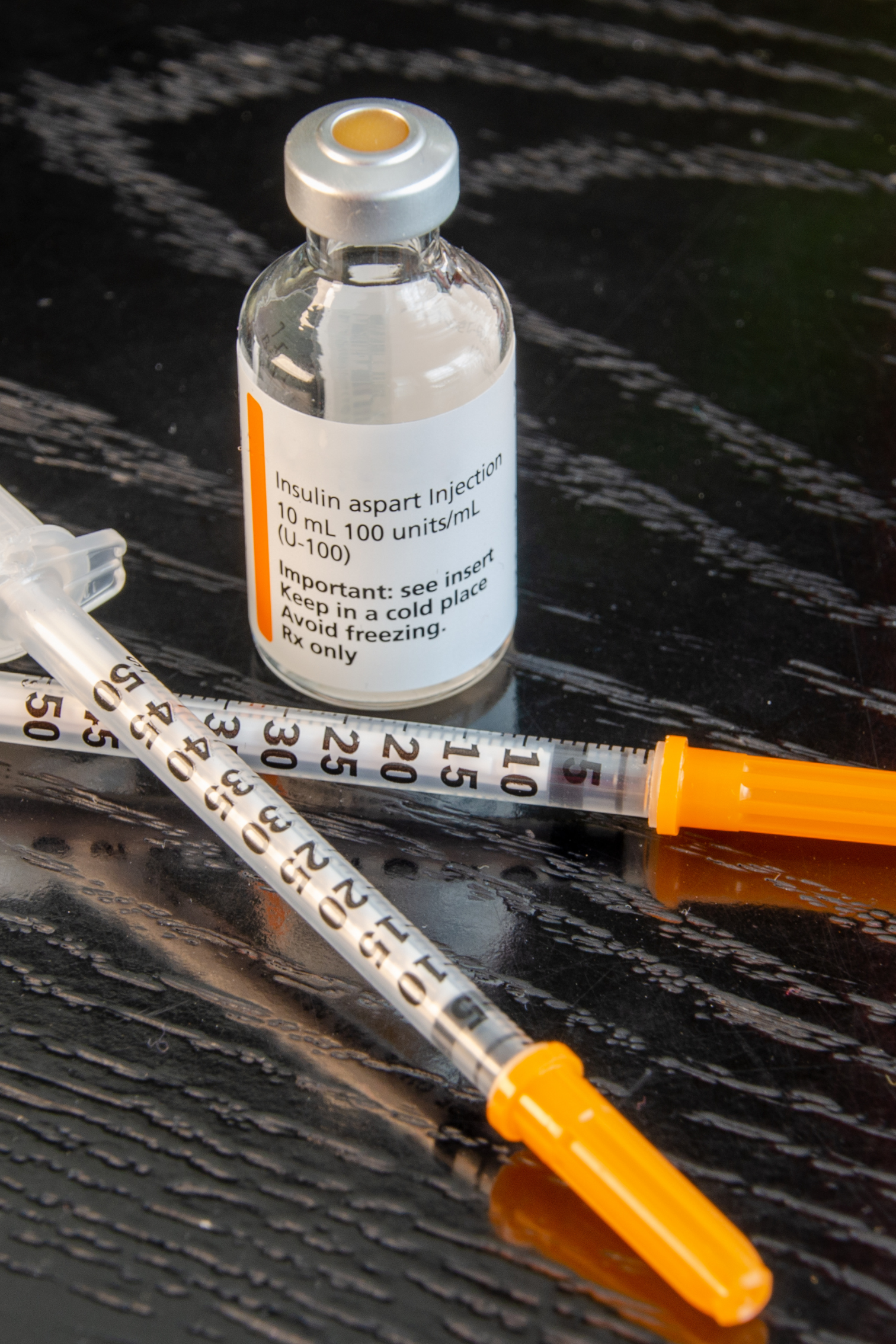
Insulin is essential for the treatment of both forms of diabetes. Patients with Type 1 diabetes need frequent insulin injections to stay alive. For Type 2 diabetes, lifestyle modifications, and sometimes insulin therapy and oral drugs, are required to regulate blood sugar. The risk of complications such as heart disease, nerve damage, loss of vision, and kidney issues is decreased by proper insulin administration.
Management and Treatments
Effective insulin management entails:
- A balanced diet: Eating foods that are low in carbs or high in nutrients
- Consistent exercise
- Medications: As directed, insulin injections and oral medications are administered to aid with cell response and insulin efficiency
- Monitoring: Maintain appropriate insulin dosage and perform routine blood sugar tests
FAQs
1. Describe insulin and explain its significance
Insulin is a hormone that helps cells use glucose as fuel and controls blood sugar levels. Proper metabolism depends on it.
2. Is it possible to repair an insulin imbalance?
Yes, dietary modifications, exercise, and lifestyle changes can frequently help lower insulin resistance in its early stages.
3. How is insulin administered?
Insulin is frequently given via insulin pumps or injections. Due to digestive issues, oral insulin is not widely available.
4. What foods affect insulin levels the most?
High-carb and high-sugar diets elevate blood sugar levels and increase the demand for insulin, but whole grains, proteins, and fiber help maintain balance.
5. How often should I check my blood sugar if I use insulin?
Depending on your treatment plan, blood sugar levels should be monitored multiple times during the day in order to adjust insulin dosages appropriately.
Conclusion
Insulin is critical for regulating blood sugar levels and giving the body the energy it needs. Dr. Pankaj Pohekar, a diabetologist at AIMS Hospital Dombivli, provides patients with comprehensive diabetes care, individualized treatment plans, and expert guidance to help them effectively manage their condition and lead healthier lives. Maintaining proper insulin balance and understanding its function are essential for overall health.
ABOUT US
About AIMSDirector's Message
Vision & Mission
Accreditations
Awards & Accolades
Our Network
Phone Directory
Scan/Click For Location



Designed by Web Creations 2022. All rights reserved.
Leave a Comment