





DATE : 13/01/2026
AUTHOR :
Get Instant Call Back
Table of Contents
- Why Sunlight Is Important in Winter
- Health Benefits of Sunlight During Winter
- How Much Sunlight Do We Need in Winter
- Best Time to Get Sunlight in Winter
- Tips to Get Enough Sunlight Safely
- Who Needs Extra Sunlight in Winter
- Role of Doctors in Managing Sunlight & Vitamin D Deficiency
- FAQs
During winter, days become shorter and sunlight is limited. Many people prefer staying indoors because of the cold weather, which reduces their exposure to natural sunlight. However, sunlight plays a very important role in maintaining good health, especially during winter. Proper sunlight exposure helps improve immunity, bone strength, mental health, and overall well-being.
Why Sunlight Is Important in Winter
Sunlight is the main natural source of Vitamin D. Vitamin D is essential for strong bones, healthy muscles, good immunity, and proper growth in children. During winter, a lack of sunlight can lead to Vitamin D deficiency, fatigue, weak immunity, joint pain, and mood changes. Regular exposure to sunlight helps prevent these issues and keeps the body healthy.
Health Benefits of Sunlight During Winter
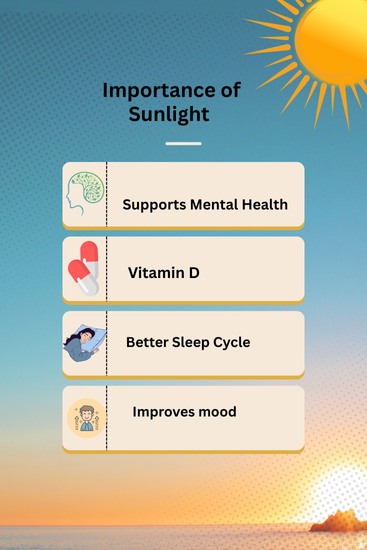
Boosts Vitamin D Levels: Sunlight helps the body produce Vitamin D, which supports calcium absorption and keeps bones and teeth strong. According to Dr. Vishal Lapshia, Orthopedic Joint Replacement & Arthroplasty Surgeon, Vitamin D deficiency can increase the risk of bone pain, joint problems, and fractures, especially in adults and elderly people.
Improves Immunity: Sunlight strengthens the immune system and helps the body fight common winter infections like colds, coughs, and flu. Pediatric experts emphasize that children with adequate Vitamin D levels fall sick less often.
Supports Mental Health: Sunlight increases serotonin levels, which helps improve mood, reduce stress, and fight seasonal depression. Spending time in sunlight can make you feel more energetic and positive during winter.
Maintains a Better Sleep Cycle: Sunlight helps regulate the body’s internal clock, improving sleep quality and maintaining a healthy daily routine.
Keeps Bones and Muscles Strong: Regular sunlight exposure helps prevent joint stiffness, muscle weakness, and bone disorders. Dr. Rohit Jain, Paediatric Orthopedic Specialist, highlights that proper Vitamin D levels are crucial for healthy bone development in growing children.
How Much Sunlight Do We Need in Winter?
Most people need 15–30 minutes of direct sunlight daily. Exposing the face, arms, and hands is usually enough. The requirement may vary depending on age, skin type, and health condition.
Best Time to Get Sunlight in Winter
The best time to get sunlight during winter is between 9:00 AM and 11:00 AM. At this time, sunlight is gentle and effective for Vitamin D production without harming the skin.
Tips to Get Enough Sunlight Safely
- Go for a morning walk
- Sit in a sunny balcony or open area
- Avoid staying indoors all day
- Wear light-colored clothes
Who Needs Extra Sunlight in Winter?
- Children
- Elderly people
- Office workers
- Pregnant women
According to Dr. Bobby Sadawarti, Pediatrician, Neonatologist, Allergist & Lactation Consultant, sunlight is very important for infants and children to support healthy growth, immunity, and overall development.
Role of Doctors in Managing Sunlight & Vitamin D Deficiency
At AIMS Hospital, Dombivli, expert doctors guide patients on proper sunlight exposure, diet, and Vitamin D management:
- Dr. Vishal Lapshia helps adults and elderly patients manage bone and joint issues linked to Vitamin D deficiency.
- Dr. Bobby Sadawarti provides expert care for infants and children, emphasizing immunity and healthy development.
FAQs
Q1. Can sunlight through glass provide Vitamin D?
No. Sunlight through glass does not help in Vitamin D production. Direct sunlight is needed.
Q2. Is winter sunlight harmful?
No. Winter sunlight is generally safe when taken for the recommended time.
Q3. What if I cannot get enough sunlight?
Consult a doctor. Vitamin D supplements may be advised if needed.
Q4. Does sunlight help with winter depression?
Yes. Sunlight improves mood and helps reduce seasonal depression.
Conclusion
Sunlight is essential for maintaining good health during winter. It improves immunity, strengthens bones, supports mental health, and helps children grow healthy. At AIMS Hospital, Dombivli, experienced doctors like Dr. Vishal Lapshia, Dr. Bobby Sadawarti, provide expert guidance and care to manage Vitamin D deficiency and winter-related health concerns. Making sunlight a part of your daily routine can help you stay active, healthy, and energetic throughout the winter season.

ABOUT US
About AIMSDirector's Message
Vision & Mission
Accreditations
Awards & Accolades
Our Network
Phone Directory
Scan/Click For Location



Designed by Web Creations 2022. All rights reserved.
Leave a Comment