


.png)
DATE : 15/06/2026
AUTHOR :
Get Instant Call Back
Table of Contents
- Introduction
- Why Viral Infections Increase During Monsoon
- Common Viral Infections During Rainy Season
- Tips to Protect Your Family
- Foods That Help Improve Immunity
- Care for Children and Elderly Family Members
- When to Visit a Doctor
- Expert Doctors at AIMS Hospital
- FAQs
- Conclusion
Introduction
The rainy season brings pleasant weather and relief from the summer heat, but it also increases the risk of viral infections and seasonal illnesses. During monsoon, humidity levels rise, water contamination becomes common, and mosquitoes breed rapidly in stagnant water. As a result, many people suffer from viral fever, cough, cold, flu, stomach infections, dengue, malaria, and respiratory illnesses during this season.
Children, senior citizens, and people with weak immunity are especially vulnerable to infections during monsoon. Following proper hygiene, eating healthy food, drinking clean water, and seeking timely medical care can help protect your family from serious health problems during the rainy season.
Why Viral Infections Increase During Monsoon
Monsoon creates a favorable environment for viruses, bacteria, and mosquitoes to grow quickly. Rainwater accumulation, damp surroundings, contaminated food, and poor sanitation increase the spread of infections. Sudden temperature changes and high humidity may also weaken the immune system, making the body more vulnerable to illnesses.
Doctors commonly observe an increase in viral fever, respiratory infections, allergies, stomach infections, and mosquito-borne diseases during this season.
Common Viral Infections During Rainy Season
Viral fever is one of the most common monsoon illnesses and may cause fever, weakness, headache, chills, and body pain. Seasonal flu and cold can lead to cough, sneezing, sore throat, congestion, and fatigue.
Contaminated food and water may cause stomach infections, vomiting, diarrhea, abdominal pain, and dehydration. Mosquito-borne diseases such as dengue and malaria also become common due to stagnant water collection.
Respiratory problems such as bronchitis, asthma flare-ups, chest infections, and breathing difficulties may affect both adults and children during rainy weather.
Tips to Protect Your Family
Maintaining proper hygiene is one of the most effective ways to prevent viral infections during monsoon. Family members should wash their hands regularly with soap and water, especially before eating and after returning home from outside.
Drinking boiled or filtered water is essential to reduce the risk of water-borne infections. Eating freshly prepared homemade food is safer during rainy weather, while roadside and uncovered food should be avoided.
Fruits and vegetables should be washed properly before consumption. Keeping your home and surroundings clean is equally important. Water should not be allowed to collect in buckets, coolers, flower pots, or drains because stagnant water encourages mosquito breeding.
Using mosquito repellents and mosquito nets can help prevent dengue and malaria.
Foods That Help Improve Immunity
Improving immunity is important during monsoon. Nutritious foods such as fruits rich in vitamin C, green vegetables, turmeric milk, ginger tea, tulsi, nuts, and yogurt can help strengthen the immune system naturally.
Care for Children and Elderly Family Members
Children and senior citizens require extra care during the rainy season because their immunity may be weaker compared to healthy adults.
Children should avoid playing in dirty water and should not remain in wet clothes for long periods. Parents should encourage healthy eating habits and proper hand hygiene.
Senior citizens should avoid crowded places during outbreaks and monitor symptoms such as fever, cough, weakness, or breathing difficulty carefully. Timely medical attention becomes important if symptoms worsen or continue for several days.
When to Visit a Doctor
Although many viral infections improve with rest and hydration, some symptoms should never be ignored. Fever lasting more than two or three days, severe weakness, dehydration, breathing difficulty, chest pain, persistent vomiting, or low oxygen levels may indicate a serious infection.
Early diagnosis and treatment can help prevent complications and support faster recovery, especially in children, elderly individuals, and patients with weak immunity.
Expert Doctors at AIMS Hospital
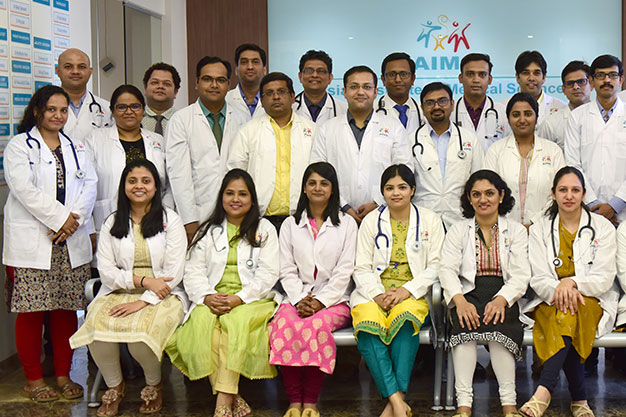
At AIMS Hospital Dombivli, experienced doctors provide advanced treatment for seasonal and viral infections during monsoon.
Dr. Sandeep Kadian – Intensivist, General Physician & Chest Physician specializes in the treatment of viral fever, chest infections, respiratory illnesses, allergies, breathing problems, and critical care conditions. He provides expert care for patients suffering from seasonal infections and serious respiratory complications.
Dr. Bobby Sadawarti – Pediatrician & Neonatologist, Allergist & Lactation Consultant provides specialized healthcare for children, newborns, allergies, seasonal infections, fever, cough, and immunity-related concerns. She also supports parents with newborn and lactation guidance.
FAQs
1. Why are viral infections common during monsoon?
Humidity, contaminated water, stagnant water, and weather changes increase the spread of viruses and bacteria during rainy season.
2. How can I protect my family from monsoon diseases?
Maintaining hygiene, drinking clean water, eating healthy food, avoiding stagnant water, and improving immunity can help prevent infections.
3. Which diseases are common during rainy season?
Viral fever, flu, cough, cold, dengue, malaria, stomach infections, and respiratory illnesses are commonly seen during monsoon.
4. Is it safe to eat street food during monsoon?
It is better to avoid roadside food during rainy season because contaminated food and water can increase the risk of stomach infections.
5. When should I consult a doctor for viral fever?
You should visit a doctor if fever lasts more than 2–3 days or if symptoms include breathing difficulty, dehydration, chest pain, or severe weakness.
Conclusion
The rainy season increases the risk of viral infections and seasonal illnesses, but simple precautions can help keep your family safe and healthy.
Maintaining hygiene, drinking safe water, eating nutritious food, preventing mosquito breeding, and taking timely medical care are essential during monsoon.
For expert medical treatment and comprehensive healthcare services, AIMS Hospital Dombivli provides advanced facilities and experienced specialists for adults and children suffering from seasonal infections and respiratory illnesses.
ABOUT US
About AIMSDirector's Message
Vision & Mission
Accreditations
Awards & Accolades
Our Network
Phone Directory
Scan/Click For Location



Designed by Web Creations 2022. All rights reserved.
Leave a Comment