




DATE : 01/12/2025
AUTHOR : AIMS Hospital
Get Instant Call Back
Table of Contents
- What is Glycosuria
- Causes of Glycosuria
- Early Signs and Symptoms
- Medical Evaluation and Diagnosis
- Treatment Approaches
- Is Glycosuria Dangerous and Which Doctor to See
- FAQs
Introduction
A medical condition known as glycosuria occurs when there is glucose (sugar) in the urine. Normally, urine contains little to no glucose because the kidneys filter and reabsorb glucose from the blood. Glycosuria may be a sign of an underlying medical condition, including kidney disease or diabetes. To avoid complications, early detection and treatment are crucial.
What is Glycosuria
When blood sugar levels are higher than what the kidneys can reabsorb, glucose leaks into the urine — a condition known as glycosuria. Depending on the underlying cause, it may be temporary or permanent.
Causes of Glycosuria
- Diabetes mellitus – which causes glucose to appear in the urine due to elevated blood sugar
-
Renal glycosuria – an uncommon disorder in which the kidneys discharge glucose even when blood sugar levels are normal
- Hormonal disorders – conditions such as hyperthyroidism or Cushing’s syndrome
- Medications – glycosuria can be caused by certain drugs such as SGLT2 inhibitors used to treat diabetes
- Pregnancy – hormonal changes that affect kidney function can result in gestational glycosuria
Early Signs and Symptoms
-
Frequent urination (polyuria)
-
Increased thirst (polydipsia)
-
Fatigue and weakness
-
Unexplained weight loss
-
Recurrent urinary tract infections (UTIs)
Glycosuria may sometimes be asymptomatic and detected only through urine tests.
Medical Evaluation and Diagnosis
Physicians may use several tests to assess glycosuria:
- Urine test – identifies glucose in the urine
- Blood glucose test – checks for diabetes by measuring blood sugar levels
- Oral Glucose Tolerance Test (OGTT) – assesses the body’s sugar metabolism
-
Kidney function tests – determine whether glycosuria is being caused by kidney abnormalities
Treatment Approaches
The underlying cause determines the course of treatment.
-
For diabetes – controlling blood sugar levels with diet, exercise, oral medications, or insulin
-
For renal glycosuria – if it is mild and not causing symptoms, treatment is usually not required
-
Medication adjustment – physicians may alter prescriptions if medications are causing glycosuria
-
Lifestyle modifications – maintaining a nutritious diet, exercising regularly, and staying well hydrated can improve outcomes
Is Glycosuria Dangerous and Which Doctor to See
Glycosuria itself is not usually harmful, but it can be a sign of underlying medical conditions, particularly diabetes or kidney problems. Complications such as kidney damage, UTIs, or electrolyte imbalance may result from untreated high blood sugar or kidney-related issues.
Persistent glycosuria should not be ignored and must be evaluated by a doctor.
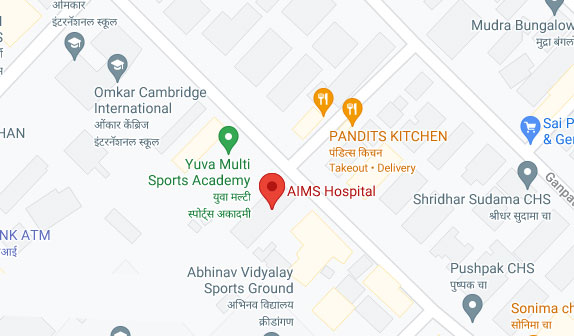
To assess glycosuria, you can consult Dr. Sandeep Kadian, a General Practitioner at AIMS Hospital, Dombivli, who can perform preliminary examinations, evaluate your symptoms, and guide you toward further care or refer you to a specialist if needed.
FAQs
1. Can glycosuria occur without diabetes?
Yes, renal glycosuria and certain medications can cause glucose in the urine even when blood sugar is normal.
2. Is glycosuria dangerous?
It depends on the cause. If related to uncontrolled diabetes, it can lead to complications such as kidney damage.
3. How is glycosuria detected?
It is detected through routine urine tests or during diabetes screening.
4. Can diet alone manage glycosuria?
Diet helps manage glycosuria caused by diabetes but may not be sufficient for other causes.
5. Can pregnancy cause glycosuria?
Yes, gestational glycosuria can occur due to hormonal changes but usually resolves after pregnancy.
Conclusion
Glycosuria is an important sign of possible health concerns, including kidney disease and diabetes. Preventing complications requires early detection through blood and urine testing, understanding the causes, and prompt treatment. Effective management and monitoring of glycosuria depend heavily on maintaining a healthy lifestyle and scheduling regular medical check-ups.
A qualified physician such as Dr. Sandeep Kadian of AIMS Hospital, Dombivli can ensure proper evaluation and appropriate treatment recommendations.
ABOUT US
About AIMSDirector's Message
Vision & Mission
Accreditations
Awards & Accolades
Our Network
Phone Directory
Scan/Click For Location



Designed by Web Creations 2022. All rights reserved.
Leave a Comment