

DATE : 23/06/2026
AUTHOR :
Get Instant Call Back
Cancer is one of the leading causes of illness and death worldwide, affecting millions of people every year. While advances in medical science have improved cancer treatment and survival rates, prevention remains one of the most powerful tools in the fight against cancer. Many people believe that cancer is entirely caused by genetics or bad luck, but research has shown that lifestyle choices can significantly influence cancer risk. Although not all cancers can be prevented, adopting healthy habits can reduce the likelihood of developing many common cancers and improve overall well-being. At AIMS Hospital Dombivli, cancer specialists emphasize the importance of preventive healthcare and early intervention. By understanding the connection between lifestyle and cancer, individuals can take proactive steps to protect their health and reduce their risk of developing the disease.
Table of Contents
- 1. Introduction
- 2. How Lifestyle Affects Cancer Risk
- 3. Maintain a Healthy Weight
- 4. Follow a Healthy and Balanced Diet
- 5. Stay Physically Active
- 6. Avoid Tobacco Products
- 7. Limit Alcohol Consumption
- 8. Protect Yourself from Harmful UV Rays
- 9. Importance of Regular Cancer Screenings
- 10. Stress Management and Quality Sleep
- 12. Frequently Asked Questions (FAQs)
- 11. Conclusion
Introduction
Cancer develops when abnormal cells grow uncontrollably and spread to other parts of the body. While some risk factors such as age, genetics, and family history cannot be changed, many others are directly related to lifestyle choices. Smoking, obesity, poor nutrition, lack of exercise, excessive alcohol consumption, and prolonged exposure to harmful environmental factors can increase the risk of cancer. Healthy lifestyle habits, on the other hand, help strengthen the immune system, reduce inflammation, support healthy cell function, and lower exposure to known cancer-causing agents. Studies suggest that a substantial percentage of cancer cases can be linked to modifiable risk factors, making prevention a key component of long-term health.
How Lifestyle Affects Cancer Risk
Cancer develops when abnormal cells grow uncontrollably and spread to other parts of the body. While some risk factors such as age, genetics, and family history cannot be changed, many others are directly related to lifestyle choices. Smoking, obesity, poor nutrition, lack of exercise, excessive alcohol consumption, and prolonged exposure to harmful environmental factors can increase the risk of cancer. Healthy lifestyle habits, on the other hand, help strengthen the immune system, reduce inflammation, support healthy cell function, and lower exposure to known cancer-causing agents. Studies suggest that a substantial percentage of cancer cases can be linked to modifiable risk factors, making prevention a key component of long-term health.
Maintain a Healthy Weight
Being overweight or obese has been associated with an increased risk of several types of cancer, including breast, colorectal, kidney, pancreatic, liver, and endometrial cancers. Excess body fat can lead to chronic inflammation and hormonal changes that may encourage cancer development. Maintaining a healthy weight through proper nutrition and regular physical activity can help lower these risks. Weight management also improves cardiovascular health, energy levels, and overall quality of life.
Highlighted Points
✔ Maintain a healthy Body Mass Index (BMI).
✔ Avoid excessive consumption of sugary and processed foods.
✔ Include portion control in daily eating habits.
✔ Stay active to support healthy weight management.
✔ Monitor weight regularly and make gradual lifestyle improvements.
Follow a Healthy and Balanced Diet
A nutritious diet provides the body with essential vitamins, minerals, antioxidants, and fiber that help protect cells from damage. Fruits, vegetables, whole grains, legumes, nuts, and lean proteins are rich in nutrients that support the body's natural defense mechanisms. Conversely, diets high in processed meats, refined sugars, unhealthy fats, and heavily processed foods may contribute to inflammation and increase cancer risk. Choosing fresh, nutrient-rich foods can help support overall health and reduce the likelihood of chronic diseases, including cancer. A diet rich in colorful fruits and vegetables is particularly beneficial because it provides antioxidants that help combat oxidative stress and cellular damage.
Stay Physically Active
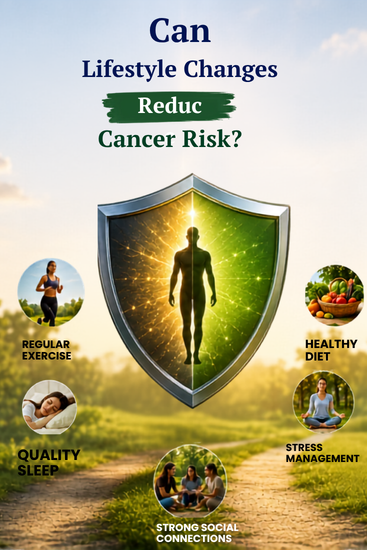
Regular exercise is one of the most effective ways to reduce cancer risk. Physical activity helps regulate hormones, improve immune function, maintain a healthy weight, and reduce inflammation throughout the body. Health experts recommend at least 150 minutes of moderate-intensity exercise or 75 minutes of vigorous exercise each week. Activities such as brisk walking, jogging, cycling, swimming, yoga, and strength training can all contribute to improved health outcomes. Regular movement throughout the day is equally important. Simple habits such as taking the stairs, walking after meals, and reducing sedentary time can make a significant difference.
Avoid Tobacco Products
Tobacco use remains the leading preventable cause of cancer worldwide. Smoking and smokeless tobacco products are linked to cancers of the lungs, mouth, throat, esophagus, pancreas, kidney, bladder, and several other organs. Tobacco contains thousands of harmful chemicals, many of which are known carcinogens. Quitting tobacco can dramatically reduce cancer risk and improve overall health. The benefits of quitting begin almost immediately and continue to increase over time. Individuals who stop smoking often experience improved lung function, better cardiovascular health, and a lower risk of developing multiple serious diseases.
Limit Alcohol Consumption
Alcohol consumption has been associated with an increased risk of several cancers, including breast, liver, colorectal, mouth, throat, and esophageal cancers. The risk tends to increase with both the frequency and quantity of alcohol consumption. Reducing alcohol intake or avoiding it entirely can contribute to better health and lower cancer risk. Combining reduced alcohol consumption with a healthy diet and regular exercise can further enhance preventive health benefits.
Protect Yourself from Harmful UV Rays
Skin cancer is among the most common cancers worldwide, and excessive exposure to ultraviolet (UV) radiation is a major risk factor. Spending prolonged periods in direct sunlight without adequate protection can damage skin cells and increase the likelihood of skin cancer. Protective measures include using sunscreen with an appropriate SPF, wearing protective clothing, seeking shade during peak sunlight hours, and avoiding tanning beds. Regular skin examinations can also help detect suspicious changes early.
Importance of Regular Cancer Screenings
Cancer screenings play a crucial role in early detection and prevention. Many cancers can be identified at an early stage before symptoms develop, allowing for more effective treatment and improved outcomes. Depending on age, gender, family history, and risk factors, healthcare providers may recommend screenings such as mammograms, Pap tests, colon cancer screenings, prostate evaluations, oral cancer screenings, and other preventive examinations. Routine health checkups help identify potential health concerns and provide an opportunity to discuss personalized cancer prevention strategies with healthcare professionals.
Stress Management and Quality Sleep
Chronic stress and inadequate sleep can negatively affect overall health and may contribute to unhealthy behaviors such as overeating, smoking, and excessive alcohol consumption. While stress itself is not a direct cause of cancer, managing stress effectively supports a stronger immune system and better overall wellness. Techniques such as meditation, yoga, deep breathing exercises, regular physical activity, and maintaining social connections can help reduce stress levels. Additionally, adults should aim for seven to nine hours of quality sleep each night to support cellular repair and immune function.
Our Experts
DR. SUPRIYA BAMBARKAR
Director (Department of Oncology) & Consultant Oncosurgeon
DR. RAKESH PATIL
Medical & Hemato Oncologist
MR. CHANGDEV TAHAKIK
Chief Medical Physicist & Radiological Safety Officer
Frequently Asked Questions (FAQs)
1. Can lifestyle changes completely prevent cancer?
No. Lifestyle changes cannot completely prevent cancer because genetic and environmental factors also play a role. However, healthy habits can significantly reduce the risk of many cancers.
2. Which lifestyle habit has the greatest impact on reducing cancer risk?
Avoiding tobacco use is considered one of the most effective ways to lower cancer risk, as tobacco is linked to numerous types of cancer.
3. How much exercise is recommended for cancer prevention?
Most health organizations recommend at least 150 minutes of moderate-intensity physical activity per week for overall health and cancer risk reduction.
4. Does a healthy diet help prevent cancer?
Yes. A diet rich in fruits, vegetables, whole grains, and lean proteins provides essential nutrients and antioxidants that support overall health and may help reduce cancer risk.
5. Why are regular cancer screenings important?
Cancer screenings can detect abnormalities or cancer at an early stage, often before symptoms appear, leading to earlier treatment and better outcomes.
Conclusion
Cancer prevention is not based on a single action but on a combination of healthy lifestyle choices practiced consistently over time. Maintaining a healthy weight, eating a balanced diet, staying physically active, avoiding tobacco, limiting alcohol consumption, protecting the skin from harmful UV exposure, and undergoing regular health screenings can significantly reduce the risk of many cancers. At AIMS Hospital Dombivli, cancer prevention and early detection are supported by a multidisciplinary oncology team dedicated to providing comprehensive cancer care. Through patient education, preventive healthcare initiatives, advanced diagnostic services, and personalized treatment approaches, the hospital aims to empower individuals to take charge of their health and reduce their risk of cancer. By adopting healthier lifestyle habits and seeking timely medical guidance, individuals can make informed decisions that contribute to long-term well-being. Small, consistent changes today can have a lasting impact on overall health and help build a healthier future for individuals and their families.
ABOUT US
About AIMSDirector's Message
Vision & Mission
Accreditations
Awards & Accolades
Our Network
Phone Directory
Scan/Click For Location



Designed by Web Creations 2022. All rights reserved.
Leave a Comment