

DATE : 16/02/2026
AUTHOR : AIMS Hospital
Get Instant Call Back
Table of Contents
- What Is Ewing Sarcoma
- Who Is at Risk
- Where Does Ewing Sarcoma Develop
- Common Signs and Symptoms
- What Causes Ewing Sarcoma
- How Is It Diagnosed
- Treatment Options
- Survival Rates and Long-Term Outlook
- Importance of Early Detection
- FAQ
- Conclusion
What Is Ewing Sarcoma?
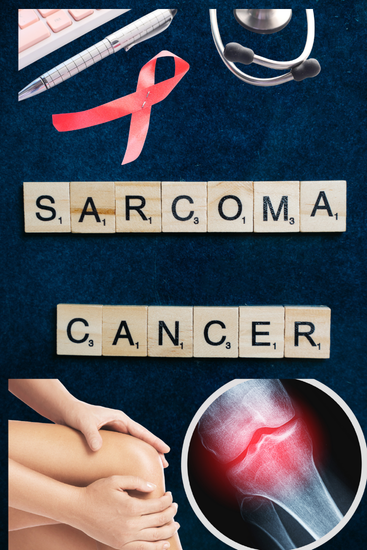
There are countless types of cancers, but the few found in the bones and surrounding areas like muscles or cartilage are called Ewing’s sarcoma. This cancer belongs to a much larger family called sarcomas, where there is a wide range of connective tissue originating from muscles, tendons, and ligaments. Ewing’s sarcoma has been known to grow aggressively. Over the years, therefore, the long-term outlook for those diagnosed has improved dramatically as treatments have evolved today.
Who Is at Risk?
Ewing Sarcoma typically affects the following groups of people:
- Children and teens aged 10–20
- Males slightly more than females
- Adults over 30 very rarely develop Ewing Sarcoma
Ewing Sarcoma is not related to lifestyle choices, diet, or injury and is not usually an inherited condition.
Where Does Ewing Sarcoma Develop?
Ewing sarcoma can form in large bones such as:
- Pelvis (hip bones)
- Femur (thigh bone)
- Humerus (upper arm bone)
- Ribs and chest wall
Additionally, it may also develop around the soft tissues surrounding the above-mentioned bones.
Common Signs and Symptoms
The early signs can often be mistaken for undocumented minor injuries, and therefore being aware of your surroundings and the symptoms of your body is critical. Signs or symptoms to look for include:
- Bone pain that does not go away, i.e., persists for a long period of time
- Swelling or a visible bump or mass near a bone
- Pain that gets worse at night
- Fever of unknown origin
- Fatigue or lack of energy
- Broken bones without a serious major injury
- Weight loss in later stages
If a child or adolescent experiences bone pain for 2–3 weeks, they should see a doctor for evaluation.
What Causes Ewing Sarcoma?
The precise cause of Ewing sarcoma is not well understood. Doctors have learned that genetic abnormalities in the tumors are implicated; however,
The changes are not due to genetics that have been passed on to you by your parents.
There aren't any behaviours or activities that may have caused them.
Currently, there is nothing to stop their development.
Further research is being performed to learn more about the genetic changes and what is behind them.
How Is It Diagnosed?
Diagnosis may require multiple stages such as:
- X-rays
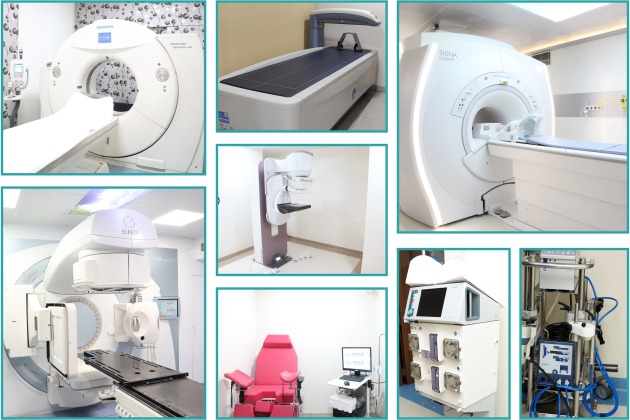
- MRI or CT scans
- To identify the location and size of the tumor and determine whether or not it has spread via a bone scan or PET scan
- Followed by a biopsy, which involves removing a sample of tissue that confirms the diagnosis
Ewing Sarcoma cannot be definitively diagnosed without performing a biopsy.
Treatment Options
Cancer treatment is comprised of different treatments and performed by a team of specialist doctors.
- Chemotherapy consists of powerful drugs that will kill all the cancer cells in the body.
- Surgery will remove the cancer and attempt to save as much normal surrounding tissue and function as possible.
- Radiation will destroy the cancer cells that may be left after the operation, if the operation cannot remove them.
Cancer treatment will last many months and will need constant monitoring during this time.
Survival Rates and Long-Term Outlook
Outcomes are dependent upon:
- How early the cancer is detected.
- If cancer is localized (only one area), then many patients have better survival rates.
- If there is metastasis to other tissues such as lungs or bone, then the treatment is complicated, but there have been many improvements in therapy thus far.
Many survivors will continue to live productive lives; therefore, it is important to have proper long-term follow-up care.
Importance of Early Detection
As sports injuries may look like growing pains, there are often periods of significant delay between the appearance of the first signs of an ailment and its actual diagnosis. This delays diagnosis. If more parents, teachers, and coaches were aware of these issues, a great deal of difference would occur.
Continued pain is NOT normal. You should always have persistent pain evaluated by your doctor.
Leading to earlier diagnosis enables:
- ✔ Much better treatment results
- ✔ Much less aggressive surgical treatment
- ✔ Much higher probability of survival
FAQ
1. Is Ewing Sarcoma common?
Ewing Sarcoma is an uncommon type of cancer, particularly when compared with childhood cancers.
2. Does a sports injury cause Ewing Sarcoma?
While the injury may cause increased visibility of your pain, your injury did not cause the cancer.
3. Is Ewing Sarcoma inherited?
Most of the time, Ewing Sarcoma is not inherited. It tends not to occur within families.
4. Is Ewing Sarcoma a curable form of cancer?
When caught early enough and treated properly, Ewing Sarcoma is often treatable.
Conclusion
Ewing Sarcoma is a very rare yet aggressive type of cancer mainly found in children and young adults. The symptoms can seem relatively benign or harmless; therefore, awareness is critical to allowing for early identification and subsequent treatment.
Individuals experiencing persistent discomfort, swelling, or other unexplained signs or symptoms should never ignore them — they should seek evaluation from a healthcare professional as quickly as possible. Timely identification of the condition, access to advanced healthcare treatment services, and an adequately developed treatment plan can improve patient outcomes significantly.
AIMS Hospital, Dombivli will continue to provide patients with expert-level medical treatment, high-quality diagnostic equipment, and support services to assist patients with this disease and other serious medical conditions such as Ewing Sarcoma. Awareness initiatives will create opportunities for early evaluation of suspicious symptoms, allowing us to give the best possible medical care to young patients and provide for a longer life with overall good health.
ABOUT US
About AIMSDirector's Message
Vision & Mission
Accreditations
Awards & Accolades
Our Network
Phone Directory
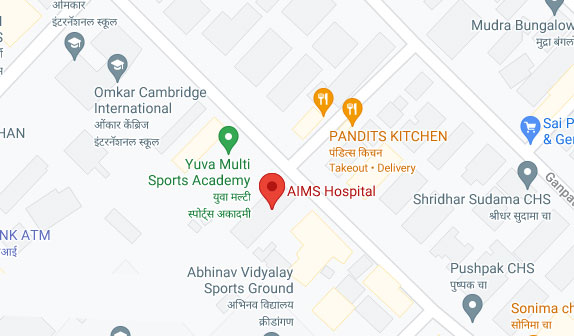
Scan/Click For Location



Designed by Web Creations 2022. All rights reserved.
Leave a Comment