

DATE : 02/03/2026
AUTHOR :
Get Instant Call Back
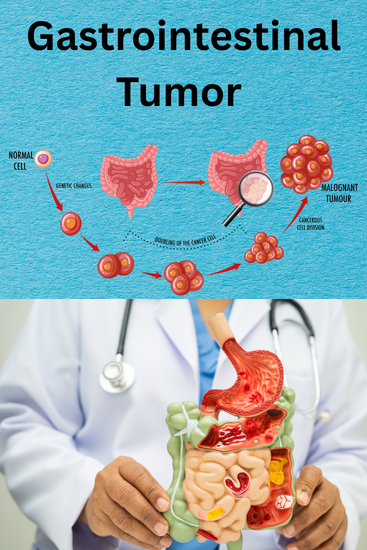
Although the digestive system is essential to the body's nutrition, uncommon tumors can occasionally grow there silently. Gastrointestinal Stromal Tumor (GIST) is one such rare tumor. GIST differs from other gastrointestinal cancers, and early detection can significantly increase treatment success and survival. It starts in the digestive tract's specialized nerve-related cells that regulate muscle contraction and facilitate the easy passage of food. Due to its covert nature, many people are not aware of it until symptoms begin to appear.
According to the American Cancer Society, although GIST is uncommon, it is the most prevalent soft tissue sarcoma of the digestive system.
Table of Contents
- 1. What is GIST?
- 2. Where Does GIST Occur?
- 3. Causes and Risk Factors
- 4. Symptoms You Should Not Ignore
- 5. How GIST is Diagnosed
- 6. Treatment Options Available
- 7. Expert Cancer Care at AIMS Hospital, Dombivli
- 8. FAQ
1. What is GIST?
Gastrointestinal Stromal Tumor (GIST) is a rare tumor that typically appears in the stomach or small intestine. It starts in special cells called interstitial cells of Cajal, which help regulate digestion.
These tumors can be:
- Slow growing
- Fast growing
- Benign (non-cancerous)
- Malignant (cancerous)
If treatment is delayed, some GIST tumors may grow and spread, while others may remain small and benign.
2. Where Does GIST Occur?
GIST can develop anywhere in the digestive tract including:
- Stomach (60%) – Most common
- Small intestine (30%)
- Esophagus
- Colon and rectum
In rare cases, it can spread to:
- Liver
- Abdominal lining
3. Causes and Risk Factors
The exact cause of GIST is not fully understood, but it is mainly linked to gene mutations.
Common risk factors include:
- Age above 40–50 years
- Genetic mutations (KIT gene)
- Rare family history
Unlike other cancers, GIST is usually not caused by smoking, food, or lifestyle. According to the Mayo Clinic, most GIST cases are caused by mutations that lead to uncontrolled cell growth.
4. Symptoms You Should Not Ignore
In early stages, GIST may not show symptoms. As it grows, warning signs may appear.
Common symptoms include:
- Abdominal pain or discomfort
- Blood in stool
- Vomiting
- Weakness
- Fatigue
- Lump in abdomen
- Weight loss
- Feeling full quickly
Serious symptoms:
- Internal bleeding
- Severe weakness
- Black-colored stool
These symptoms should never be ignored.
5. How GIST is Diagnosed
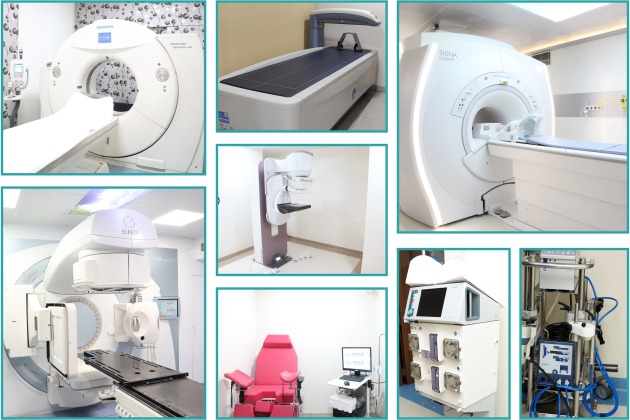
Doctors use modern diagnostic tools to detect GIST accurately:
- CT Scan – To detect tumor location
- MRI Scan – To evaluate tumor size
- Endoscopy – To view inside the stomach
- Biopsy – To confirm cancer
Early diagnosis increases the chances of successful treatment.
6. Treatment Options Available
Treatment depends on the tumor size, location, and stage.
1. Surgery&nbs
Surgery is the most effective treatment for removing the tumor completely.
2. Targeted Therapy
Special medicines like Imatinib help stop tumor growth. This is one of the biggest breakthroughs in GIST treatment.
3. Radiation Therapy
Used in selected cases.
4. Chemotherapy
Rarely used in GIST.
7. Expert Cancer Care at AIMS Hospital, Dombivli
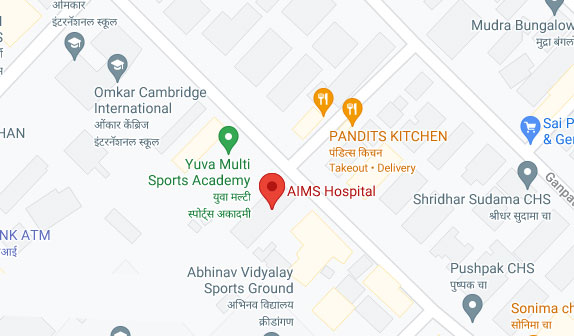
Dr. Supriya Bambarkar, Dr. Rakesh Patil, and Mr. Changdev Tahakik form the expert oncology team at AIMS Hospital, Dombivli, providing advanced and comprehensive cancer care.
Their combined expertise in cancer surgery, medical oncology, and radiation therapy ensures accurate diagnosis, effective treatment, and better recovery for patients.
At AIMS Hospital, patients receive:
- Accurate diagnosis
- Advanced surgery
- Targeted therapy
- Complete cancer care
8. FAQ
1. Is GIST dangerous?
If untreated, it can spread to other organs.
2. Is GIST curable?
Yes, especially if detected early.
3. What is the main symptom?
Abdominal pain and bleeding are common symptoms.
4. Who treats GIST?
Oncosurgeons and Medical Oncologists treat GIST.
5. Can GIST be prevented?
There is no specific prevention, but early diagnosis helps.
Conclusion
Gastrointestinal Stromal Tumor (GIST) is a rare but serious tumor of the digestive system. Because symptoms may appear late, awareness and early diagnosis are extremely important.
With modern medical advances, GIST can be treated successfully, especially when managed by experienced cancer specialists. AIMS Hospital, Dombivli offers advanced cancer care with expert doctors providing complete and personalized treatment for GIST.
ABOUT US
About AIMSDirector's Message
Vision & Mission
Accreditations
Awards & Accolades
Our Network
Phone Directory
Scan/Click For Location



Designed by Web Creations 2022. All rights reserved.
Leave a Comment